

Some people use a gluten free diet as a way to be ‘healthy’, to feel better or to decrease gastrointestinal issues. Other people HAVE to eliminate gluten as their body is having an autoimmune response to the gluten, causing damage to the enterocytes in the gastrointestinal tract. Whatever your motivation is, eating gluten free can be difficult if you don’t have the right tools in your toolox.
Non-coeliac gluten sensitivity (NCGS) can give a significant gastrointestinal reaction similar to some people with coeliac disease (without the autommunity). Even though you may not have antibiodies, you could still be reacting to the gluten in your diet this will prevent you from experiencing radiant health!

If you think you might have coeliac disease it is important to get tested
Testing involves eating the equivalent of 2 slices of gluten containing bread for 4-6 weeks (ideally 6) and then getting a blood test, which will test for antibodies or genes for coeliac (whichever your GP is required to test from medicare – it changes every so often).
*It is important to note that if the tests come back negative and you don’t have the antibodies being tested, this doesn’t rule out coeliac disease or non-coeliac gluten sensitivity because there are a number of genes that can cause coeliac disease that are not part of common place testing.
The gold standard test is a gastroscopy to visibily see the condition of your gastrointestinal lining. The surgeon will them determine based on their findings, whether you have coeliac disease or not.

Lets talk about what gluten is…
Gluten is the ‘glue’ that holds gluten containing products together, which adds that stretchiness to bread and baked goods. Scientifically – it is a generic name for the proteins in wheat and other grain containing products.
What symptoms would I have if I was reacting to gluten?
- Gastrointestinal issues such as constipation, diarrhoea, bloating, reflux, indigestion, lactose intolerance
- Skin issues including dermatitis, eczema and psoriasis
- Mental health issues including anxiety, depression
- Anaemia!!! – This is a big one because usually the cells in your gut are damaged therefore you cannot absorb iron effectively.
- Chronic fatigue, autoimmunity, chronic immune issues
- Unexplained weight loss
- + many more
So, what do I avoid and what can I eat?
Avoidance is KEY to decreasing your symptoms and healing your gastrointestinal lining, and it doesn’t have to be complicated!
- Avoiding the consumption of gluten, a protein commonly found in wheat, barley, rye and oats.
- Swapping these grains for gluten-free grains including rice, quinoa, tapioca, buckwheat and many others.
- While oats are naturally gluten free, usually cross contamination in processing makes them contain traces of gluten, therefore making them not suitable for gluten free eating.
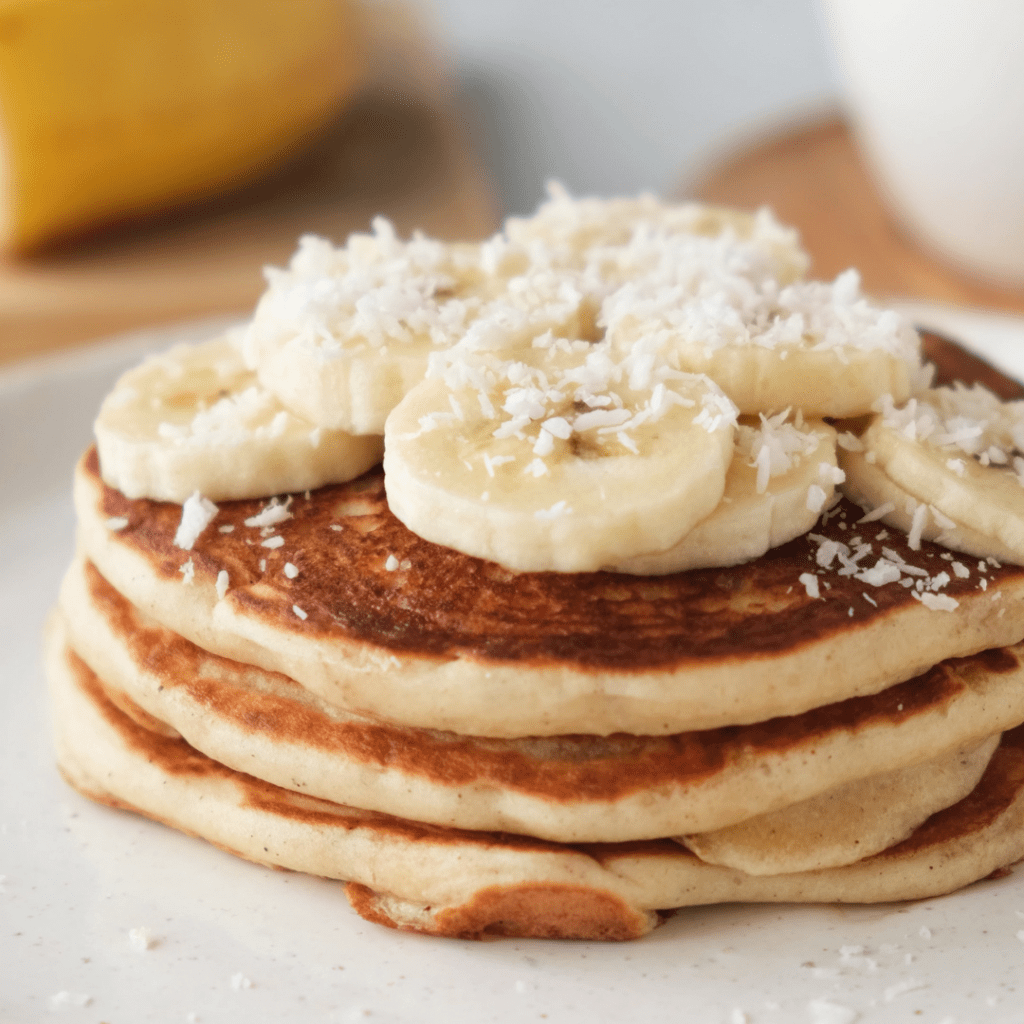
Keep your pantry full of a wide range of naturally gluten-free and gluten-free alternatives foods with this extensive list
- ALL fruit and vegetables
- Dairy products – checking labels to see if there is any ‘added’ gluten or making sure they say gluten free
- Eggs, meat, seafood and poultry
- Beans & legumes – making sure any canned varieties do not have wheat starch or other added gluten containing products
- Rice, Quinoa, Buckwheat, Millet, Amaranth, Sorghum
- Gluten free pasta – buckwheat or pulse pasta are particularly nutritious and protein rich
Flours: Coconut, buckwheat, brown rice flour, gluten free flour, tapioca starch/flour, potato starch, almond flour, almond meal, cassava flour
- Nut spreads such as almond, cashews, macadamia or peanut butter
- Corn thins/brown rice cakes
Healthy fats and oils – These are ones you can use for cooking, in a salad as dressing or in a smoothie for an added boost.
Cooking: Ghee, butter (grass fed, organic) olive oil, coconut oil
Smoothie: Flaxseed oil, avocado oil, avocadoes, full fat greek yoghurt or coconut yoghurt
Dressing: Flaxseed oil, Avocado oil, olive oil, avocadoes, yoghurts (as above)
Condiments: Tahini, Tamari (gluten free soy sauce), apple cider vinegar, mustard, balsamic vinegar, coconut aminos, mayonnaise (always checking ingredients to make sure these things haven’t got ‘added’ gluten containing fillers or starches).
Herbs: all fresh herbs and spices are naturally gluten free. If you’re buying in jars or packets you need to check the ingredients list doesn’t contain too many ingredients or numbers, and no added gluten.
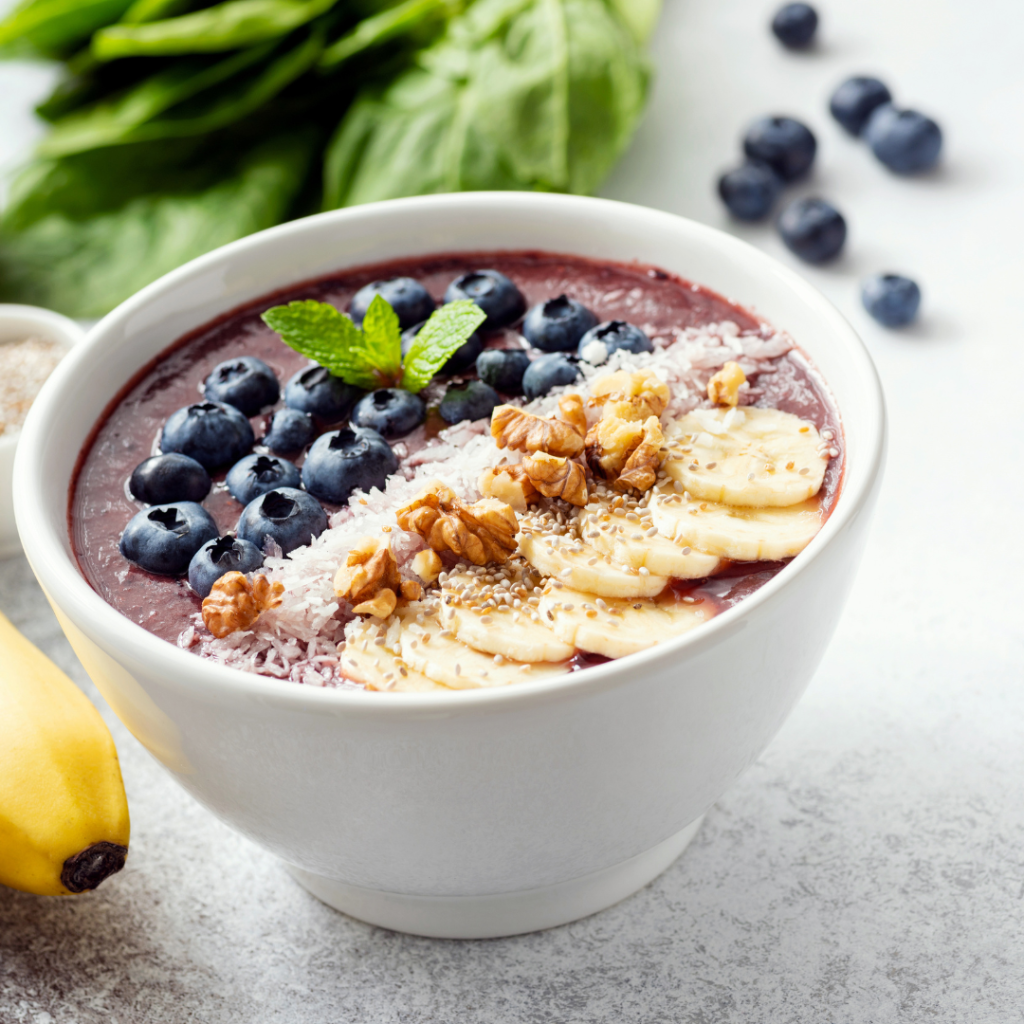
How do i book in?
If you are overwhelmed with making these changes, or you need more guidance and support healing your gut please don’t hesitate to reach out! I offer FREE 15 minute discovery calls which you can book via the link below, or you can book in and start your journey today!
Also don’t forget to follow me on Facebook – Connate Naturopathy, and Instagram connate_naturopathy
Taryn Xx
 Connate Naturopathy
Leave a comment