
Firstly, why do we need adequate Iron levels?
- Iron helps red blood cells carry oxygen around the body
- It is involved in DNA synthesis & mitochondrial energy production
- Infant’s need iron for brain development and growth
Sign’s you might have low Iron levels
- Shortness of breath
- Fatigue/lethargy
- Tachycardia (fast heart rate)
- Palpitations
- Headaches
- Vertigo

Haeme vs non-haeme Iron
Haeme iron comes from animal products such as meat, poultry and seafood. It is more bioavailable, meaning our body can break it down and absorb it easier than non-haeme iron. Non-haeme Iron comes from plant sources such as nuts and seeds, beans, lentils and dark green leafy vegetables. Ideally, we eat a balance of haeme, and non-haeme iron every day to ensure we’re getting a variety of nutrients from a number of different foods
Iron rich foods
- meat, poultry, seafood
- beans and lentils
- dried fruit – apricots, dates, raisins
- nuts and seeds
- dark green leafy vegetables – spinach, silverbeet, kale etc.
Pairing Iron rich foods with vitamin C containing foods helps to increase the absorption of Iron. This is why Iron supplements generally contain vitamin C as well.
Examples of this include;
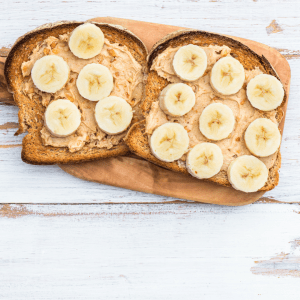
- Nut butter on toast with sliced banana and chia seeds
- Veggie sticks and hummus
- Spaghetti and meatballs
- Chilli with beans
- Chia pudding
- Meat patties with dark green mixed salad
- Trail mix with dried fruit
Competing for absorption
Calcium specifically competes for absorption with Iron. Therefore, taking your iron supplement with your morning coffee is not the best option. Magnesium, zinc, copper and manganese can also compete with iron for absorption so it’s best to take your iron supplement 2 hours away from your multivitamin or other supplements containing these nutrients.
Hepcidin is a protein that helps the body monitor the absorption of iron so we don’t absorb too much. This is because excess amounts of iron in the bloodstream can wreak havoc on the body causing oxidative damage to our organs and cells. This can result in a number of health issues including those similar to people with chronic haemochromatosis – damage to blood vessels, liver damage, heart issues and diabetes.
Hepcidin increases after the intake of iron supplements, to prevent the body absorbing too much. Hepcidin levels decrease after about 48 hours, therefore it is beneficial to take your iron supplement every second day. This is so that the levels of hepcidin have decreased and you have a better chance of absorbing more of your iron supplement in your next dose.
Interestingly – a specific probiotic strain called Lactobacillus plantarum 299v has been shown in studies to improve uptake of Iron into the bloodstream. This means!!!…. taking this probiotic alongside your iron supplement will actually help you to uptake MORE iron into your bloodstream. WOW!!
Chronically low iron levels
Chronically low levels of ferritin (your iron storage) requires further investigation. There is a reason your body is not storing iron and this needs to be determined.
- Are you having regular heavy blood loss? (such as in menstruating individuals) and your body cannot bring up its stores quick enough before your next period?
- Is the lining of your gut damaged – therefore you are unable to absorb iron through your digestive tract.
- Do you have coeliac disease or another form of inflammatory bowel disease preventing uptake of iron into the bloodstream.
- Are you consuming a high amount of alcohol and decreasing your stomach acid levels?
If you’re sick of feeling unwell and you want to dive deeper into WHY you have chronically low iron, please book an appointment with me at connatenaturopathy@gmail.com
You can also follow me on
Facebook – Connate Naturopathy
Instagram – connate_naturopathy
Take Care!
Taryn


Leave a Reply